7 Winter Care Tips for Short-Haired Dogs That Actually Work
I learned this the hard way with my own short-haired rescue, a 45-pound Pit Bull mix named Moose. The first winter after I brought him home, I figured he'd be fine on our usual 40-minute walks because, well, he had fur. After one particularly cold evening, he started lifting one paw after another, then sat down mid-block and refused to move. His ears were icy to the touch, and he was shivering so hard his collar rattled. I rushed him home, wrapped him in a fleece blanket, and spent the next hour Googling frantically. That night, I realized that short-haired dogs need targeted winter care—not just a generic 'they'll be fine' attitude. Here are seven winter care tips for short-haired dogs that actually work, based on what I've learned firsthand and from my vet.
Why Short-Haired Dogs Need Extra Winter Care (And What Most Owners Get Wrong)
Short-haired breeds like Beagles, Boxers, and even Pit Bulls lack the dense undercoat that traps warm air close to the skin. While a Husky or Golden Retriever has a built-in insulation layer, your short-haired dog's fur is more like a windbreaker than a winter parka. Most owners assume that because their dog doesn't visibly shiver immediately, they're comfortable. That's a mistake. Dogs can be hypothermic without trembling—early signs include a tucked tail, hunched posture, and reluctance to move. The real risk is that short-haired dogs lose body heat rapidly in wind or wet conditions, even at temperatures that feel mild to you in a coat. If you've ever seen a short-haired dog step outside, do a quick business, and sprint back to the door, that's not laziness—that's their way of saying 'this is miserable.' The key winter care tips for short-haired dogs revolve around proactive warmth, not reactive rescue.
1. Layer Up the Right Way: Choosing a Winter Coat That Fits and Stays On
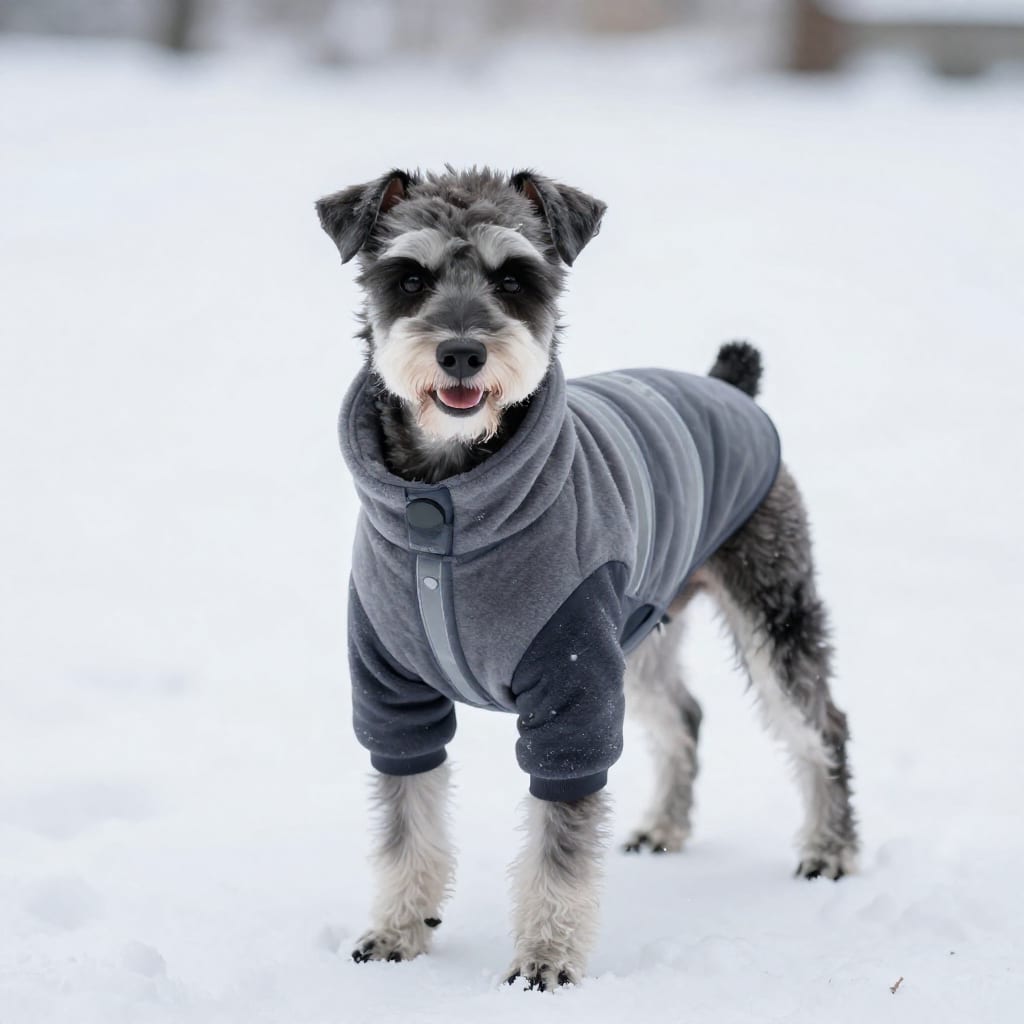
Not all dog coats are created equal, and for short-haired dogs, the fit is everything. I bought Moose a cheap fleece vest from a big-box pet store his first winter. It was too loose around the chest, and within five minutes of our walk, he'd wriggled out of it on a busy street. I spent ten minutes chasing it down the block. Lesson learned. A good winter coat for a short-haired dog should have three things: a snug but not tight chest and belly wrap, a waterproof outer shell, and a fleece or insulated lining. Look for coats with adjustable Velcro straps and a D-ring for the leash to attach—this prevents the coat from sliding back when you pull. For sizing, measure the circumference of the dog's chest just behind the front legs, and the length from the base of the neck to the base of the tail. A coat that's too short leaves the lower belly exposed; too long interferes with leg movement. Materials matter: fleece is great for dry cold, but if there's snow or rain, you need a waterproof layer. I've had good luck with a brand that uses a ripstop nylon outer and a soft fleece inner—Moose actually leans into it when I pull it out now. If your dog hates wearing a coat, start indoors with treats and short sessions. After a few positive associations, most short-haired dogs happily wear one. In fact, the best winter care tips for short-haired dogs often start with a well-fitted coat.
2. Protect Those Paws: Salt, Ice, and Moisturizer Hacks
Short-haired dogs often have less fur between their toes, which means ice and salt get trapped easily. After a walk in slush, I've seen Moose stop and frantically lick his paws. The salt used on sidewalks can cause chemical burns, and ice clumps between pads can cause cuts. Here's what works: before walks, apply a paw balm or wax—look for food-grade ingredients like shea butter or beeswax—to create a protective barrier. I use a brand that's basically a solid balm stick; I rub it on each paw for about ten seconds. After walks, rinse paws with warm water (not hot) and dry thoroughly. For stubborn ice balls, I keep a small bowl of warm water by the door and dip each paw for a few seconds. If the pads are cracked or dry, use a moisturizing balm—but don't overdo it, or the paws get too soft. One hack I learned from a groomer: if your dog tolerates it, consider dog booties for extreme cold. Moose hated them at first, but after a few short indoor sessions with treats, he accepted them. Booties are especially useful if you walk on heavily salted roads. Safe paw care is a critical part of winter care tips for short-haired dogs because paw injuries can make walks miserable.
3. Adjust Walk Times and Duration: When to Go Out and How Long
I used to take Moose out at the same time every day, regardless of temperature. That changed after the night he sat down. Now I check the weather app for the 'real feel' temperature and wind chill. For short-haired dogs, a general rule: if it's below 32°F (0°C), keep walks to 20-30 minutes with a coat. If it's below 20°F (-7°C), cap it at 10-15 minutes. Wind and wetness make it worse—a 25°F day with 20 mph wind feels closer to 10°F. The best time to walk is the warmest part of the day, usually midday. I've also switched to shorter, more frequent walks: three 10-minute outings instead of one 30-minute marathon. Watch your dog's body language. If they start lifting paws, shivering, or turning back toward home, head inside immediately. One of the simplest winter care tips for short-haired dogs is to be flexible—skip a walk during a cold snap and do indoor games like fetch in the hallway or hide-and-seek with treats. Moose actually loves 'find it' where I hide kibble around the living room. It tires him out mentally without freezing his paws.
4. Indoor Warmth Without Overheating: Bedding, Heating Pads, and Humidity
Short-haired dogs often seek out the warmest spot in the house—usually the heat vent, the fireplace, or your lap. But you can create a cozy setup without risking burns or overheating. I bought Moose a heated pet bed with an auto-shutoff feature and a chew-resistant cord. It's a low-wattage pad that warms up to about 102°F, which is safe for most dogs. He curls into a tight ball on it within minutes. If you don't want a heated bed, a fleece blanket on a memory foam dog bed works well—short-haired dogs love burrowing. One mistake I made: I kept the house at 72°F but didn't think about humidity. Winter air is dry, and short-haired dogs are prone to dry, flaky skin. I added a small humidifier near his bed, and his coat looks shinier and he scratches less. Avoid human heating pads—they can get too hot and cause burns because dogs often don't move away. Also, keep pet beds away from drafty windows or doors. A simple draft stopper under the door can make a huge difference. These indoor warmth strategies are essential winter care tips for short-haired dogs because they support overall health and comfort.
5. Boost Nutrition for Cold-Weather Energy: Fats and Hydration
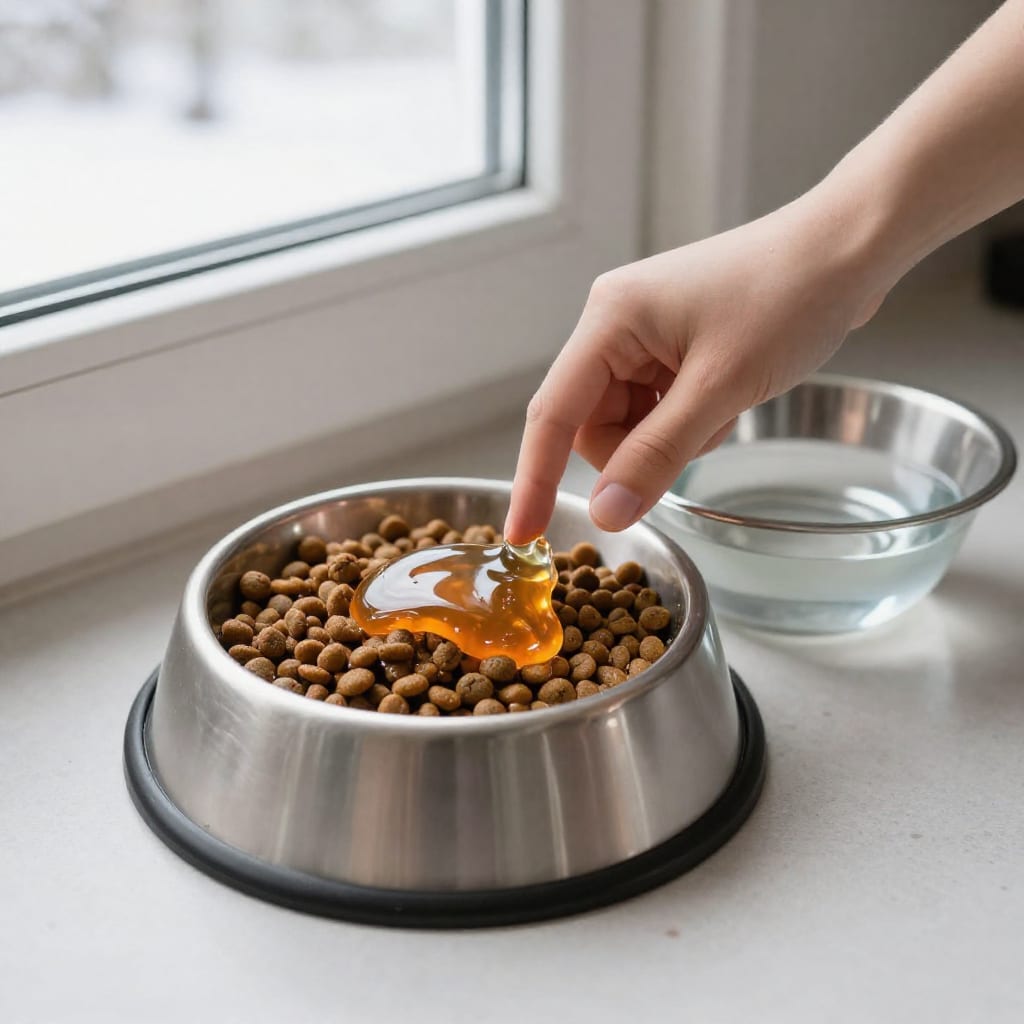
I didn't realize until a vet visit that short-haired dogs often need more calories in winter to maintain body heat. Moose is already active, but on cold days, his body burns extra energy just staying warm. I now add a spoonful of canned pumpkin (not pie filling) and a teaspoon of salmon oil to his dinner. The healthy fats support his coat and joints, and the extra fiber helps digestion. Another thing: dogs drink less in winter because they're not panting as much, but dry indoor air can dehydrate them. I make sure Moose's water bowl is full and fresh—sometimes I add a splash of warm water to encourage drinking. If your dog is a picky eater, try warming their food slightly to release aroma. Avoid overfeeding, though—just a 10-15% calorie increase is usually enough. One counter-intuitive tip: don't skimp on water just because it's cold. Dehydration can make a dog more susceptible to cold stress. Proper nutrition is a foundational part of winter care tips for short-haired dogs because it fuels their internal furnace.
6. Watch for Hypothermia and Frostbite: Signs You Shouldn't Ignore
Hypothermia and frostbite are real risks for short-haired dogs, but many owners miss the early signs. Hypothermia starts with shivering, lethargy, and muscle stiffness. As it worsens, the dog may become weak, disoriented, or even collapse. Frostbite typically affects ears, tail tip, and paw pads—the skin may look pale, bluish, or feel cold to the touch. Moose once came in from a quick potty break with ice on the fur between his toes, and his ears were cold. I warmed him gradually with a towel and a lukewarm water bottle wrapped in a cloth. Never use hot water or direct heat—that can cause burns. If you see pale gums, glassy eyes, or if your dog stops shivering (a sign of severe hypothermia), get to a vet immediately. The best approach is prevention: limit exposure, use a coat, and check paws and ears after every outing. These vigilance tips are critical winter care tips for short-haired dogs because they can be the difference between a minor chill and an emergency.
7. Grooming Adjustments: Why You Shouldn't Shave or Over-Bathe in Winter
I've heard people say, 'My short-haired dog's fur is so thin, I might as well shave it for a cleaner look.' Don't. Even short fur provides some insulation and protection. Shaving it down removes that layer and leaves the skin vulnerable to cold and wind. Bathing too often also strips natural oils that help keep the skin and coat healthy. In winter, I bathe Moose every 4-6 weeks instead of every 2-3 weeks. I use a moisturizing oatmeal shampoo—the kind without sulfates or harsh fragrances. After a bath, I dry him thoroughly with a towel and then a low-heat blow dryer on a 'warm' setting (not hot). If he gets dirty between baths, I use a damp cloth or a dry shampoo spray made for dogs. Brushing still matters: a weekly brushing with a soft-bristle brush stimulates circulation and distributes natural oils. A good grooming routine is one of the easiest winter care tips for short-haired dogs because it maintains their natural defenses without overdoing it.
Final Takeaway: Keep Your Short-Haired Dog Warm, Safe, and Happy This Winter
Short-haired dogs don't have the luxury of a built-in winter coat, but with a few adjustments, they can thrive in cold weather. Start with a well-fitted winter coat, protect those paws, adjust walk schedules, create a warm indoor spot, boost their nutrition with healthy fats, watch for warning signs, and avoid over-grooming. These winter care tips for short-haired dogs aren't complicated, but they require attention and consistency. Moose now trots through snow with confidence, and I don't worry about him freezing mid-walk. If you have a short-haired dog, take these steps seriously—your pup will thank you with a wagging tail and warm cuddles. For more on keeping your dog comfortable, check out our guide on how to choose the right dog bed for winter and best dog winter boots for small breeds. Remember, a little extra care goes a long way in making winter enjoyable for both of you.